
The 10 Most Important Universal Laws for Business Success
Slightly longer and hopefully more intriguing blog post today.
In the ever-evolving landscape of business, success can feel elusive—market shifts, customer preferences, and unexpected challenges often complicate the path forward. Yet, beneath this complexity lie timeless principles known as universal laws. These laws, drawn from ancient wisdom and validated by modern insights, offer a powerful framework for achieving consistent, sustainable success. When applied to the lead to cash process—the journey from generating leads to collecting payment—they can transform how you attract customers, close deals, fulfill orders, and secure revenue.
This comprehensive c.4000-word guide explores the 10 most important universal laws for business success, providing an in-depth look at
- their meanings,
- practical applications,
- real-world examples, and
- actionable strategies.
Each section ties these laws to the lead to cash process, ensuring relevance to entrepreneurs, business leaders, and professionals aiming to optimise their operations. Hyperlinks to trusted sources open in new windows for further exploration, and the content is designed to be engaging, informative, and immediately applicable.
Enjoy!
Introduction: Why Universal Laws Matter in Business
Before we explore the laws, it’s worth understanding their significance. Universal laws are unchanging principles that govern outcomes across all domains of life, from personal growth to professional achievement. In business, they provide clarity amid chaos, guiding decisions and strategies with a sense of purpose and alignment. The lead to cash process, encompassing lead generation, order conversion, fulfillment, and cash collection, is the backbone of revenue generation. By integrating these laws, you can enhance every step, creating a seamless flow from prospect to profit.
This guide doesn’t just skim the surface—it digs deep into each law, offering detailed explanations, evidence-based insights, and practical applications. Whether you’re a startup founder or a seasoned executive, these principles can help you build a resilient, thriving business. Let’s begin.
1. The Law of Attraction: Magnetising Success
What It Is
The Law of Attraction posits that your thoughts and emotions shape your reality. Popularised by Rhonda Byrne’s The Secret, it suggests that positive thinking attracts positive outcomes, while negativity draws setbacks. Everything is energy, and like attracts like.
In-Depth Explanation
This law goes beyond wishful thinking—it’s about aligning your mindset with your goals. Neuroscience backs this up: studies show that optimism boosts creativity, problem-solving, and resilience. For instance, the placebo effect demonstrates how belief influences physical outcomes, a principle that extends to mental states in business. Harvard research on positivity reveals that optimistic leaders inspire better team performance, creating a ripple effect of success.

However, the Law of Attraction isn’t magic. It requires action—your positive mindset must fuel tangible steps toward your objectives. In business, this means cultivating confidence in your offerings and visualising successful outcomes to drive motivation and focus.
Business Application in the Lead to Cash Process
- Lead Generation: A belief in your service or product’s value radiates through your marketing. Confident messaging—rooted in positivity—draws prospects who resonate with your vision. For example, a company that markets with enthusiasm about solving customer pain points often sees higher engagement.
- Order Conversion: Visualising successful sales builds self-assurance, improving your pitch. Sales teams trained in positive visualisation techniques often outperform peers stuck in self-doubt, as confidence is contagious.
- Fulfillment: Optimism ensures smooth execution. Teams that expect success are more likely to exceed customer expectations, reinforcing trust.
- Cash Collection: A positive attitude toward payment collection fosters persistence. You’ll approach late payers with professionalism, maintaining relationships while securing revenue.
Real-World Example
Sara Blakely, founder of Spanx, credits the Law of Attraction for her billion-dollar success. She visualised her product in every household, maintaining positivity despite rejections from manufacturers. Her unwavering belief attracted the right opportunities—like a chance meeting with a Neiman Marcus buyer—propelling Spanx to global fame.
Actionable Strategies
- Morning Visualisation: Spend 5 minutes imagining a successful day—leads flowing in, deals closing, payments arriving. Pair this with affirmations like, “I attract abundance effortlessly.”
- Positive Framing: Reframe challenges as opportunities. Instead of “We lost a client,” think, “This frees us to find a better fit.”
Reference
Dive deeper with The Secret by Rhonda Byrne, a seminal work on the Law of Attraction.
2. The Law of Cause and Effect: Mastering Outcomes
What It Is
The Law of Cause and Effect, often linked to karma, states that every action produces a corresponding reaction. Nothing is random—outcomes trace back to specific causes.
In-Depth Explanation
This law emphasizes intentionality.
In business, every decision triggers a chain reaction, from a marketing campaign’s reach to a customer service call’s impact. Data analytics amplifies this principle, enabling businesses to identify what works and why. For instance, a study by McKinsey found that companies using data-driven decision-making are 23 times more likely to acquire customers, thanks to their grasp of cause-and-effect relationships.
The law also warns against shortsightedness—small oversights (e.g., poor communication) can lead to big consequences (e.g., lost revenue).
Understanding this empowers you to act proactively, not reactively.
Business Application in the Lead to Cash Process
- Lead Generation: Targeted ads (cause) yield qualified leads (effect). A/B testing campaigns can pinpoint which messages resonate most.
- Order Conversion: Clear value propositions (cause) increase close rates (effect). Training sales teams to address objections directly boosts conversions.
- Fulfillment: Efficient processes (cause) ensure timely delivery (effect), enhancing customer satisfaction and repeat business.
- Cash Collection: Prompt invoicing (cause) speeds up payments (effect). Automating reminders can reduce overdue accounts by 30%, per industry data.
Real-World Example
Amazon’s customer-centric approach illustrates this law. By prioritising fast shipping and easy returns (cause), they’ve built a loyal customer base and dominate e-commerce (effect). Conversely, Blockbuster’s failure to adapt to digital trends (cause) led to its collapse (effect).
Actionable Strategies
- Cause-and-Effect Audit: Track key actions in your lead to cash process (e.g., email open rates, delivery times) and their outcomes. Adjust based on patterns.
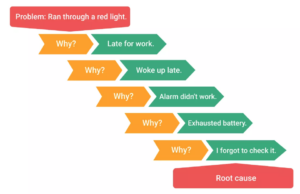
- Root Cause Analysis: When issues arise, dig into the “why” using the 5 Whys technique to prevent recurrence.
Reference
Explore this law in Business Horse Power, a classic text on universal principles.
3. The Law of Abundance: Thriving Without Limits
What It Is
The Law of Abundance asserts that there’s enough success, wealth, and opportunity for all. Scarcity is a mindset, not a reality.
In-Depth Explanation
A scarcity mindset—fearing there’s not enough—leads to hoarding, competition, and short-term thinking. Behavioral economics shows that scarcity impairs judgment, pushing people toward reactive decisions. In contrast, an abundance mindset fosters collaboration, innovation, and resilience. A Stanford study found that leaders with this outlook are more likely to invest in growth, even during downturns.
In business, abundance means seeing limitless possibilities—new markets, partnerships, or ideas—rather than fixating on constraints.
It’s about creating value, not just claiming it.
Business Application in the Lead to Cash Process
- Lead Generation: Believing in plentiful prospects encourages broader outreach. You’ll experiment with new channels, like podcasts or LinkedIn, instead of clinging to one method.
- Order Conversion: Abundance reduces desperation in sales. You’ll negotiate from strength, focusing on mutual benefit rather than forcing a close.
- Fulfillment: An abundant mindset invests in quality, trusting that happy customers return.
- Cash Collection: Confidence in cash flow eases payment follow-ups, preserving client goodwill.
Real-World Example
Salesforce thrives on abundance. By sharing knowledge through free tools and events like Dreamforce, they’ve built a vast ecosystem, growing their market without fear of losing share.
Actionable Strategies
- Opportunity List: Write down 10 untapped opportunities (e.g., new demographics, product lines). Act on one this week.
- Gratitude Practice: Daily, note three business “wins” to shift from scarcity to abundance.
Reference
Stephen Covey’s The 7 Habits of Highly Effective People champions the abundance mentality.
4. The Law of Reciprocity: Giving to Gain
What It Is
The Law of Reciprocity states that giving value prompts others to give back. It’s a fundamental driver of human relationships.
In-Depth Explanation
Rooted in social psychology, reciprocity leverages our instinct to return favors. In business, this means offering value—free resources, exceptional service, or trust—before expecting a return.
Studies show that customers who receive something first (e.g., a sample) are 20% more likely to buy. This law ties to customer lifetime value: initial generosity builds loyalty, yielding long-term gains.
It’s not manipulation—it’s genuine goodwill. The key is authenticity, ensuring your giving aligns with your brand’s mission.
Business Application in the Lead to Cash Process
- Lead Generation: Free content (e.g., guides, webinars) builds trust. Prospects feel indebted, increasing engagement.
- Order Conversion: Extra value (e.g., a discount or bonus) during sales tips the scales. It’s why “freemium” models work.
- Fulfillment: Exceeding expectations (e.g., fast shipping) encourages repeat orders.
- Cash Collection: Flexible payment terms for loyal clients foster timely reciprocity.
Real-World Example
HubSpot’s free CRM and educational content exemplify reciprocity. By giving first, they’ve cultivated a loyal user base that upgrades to paid plans.
Actionable Strategies
- Value First: Offer a free trial this month. Track how many convert.
- Thank-You Gestures: Post-payment, send a small gift or note to reinforce goodwill.
Reference
Robert Cialdini’s Influence: The Psychology of Persuasion unpacks reciprocity’s power.
5. The Law of Vibration: Aligning Your Energy
What It Is
The Law of Vibration holds that everything vibrates at unique frequencies, attracting similar energies. In business, your “vibration” is your brand’s essence.
In-Depth Explanation
This law suggests that your company’s energy—its culture, messaging, and leadership—shapes what it attracts. A high-vibration business (positive, authentic) draws like-minded clients and talent. Research on emotional branding shows that customers connect with companies whose energy aligns with their values. Low vibrations (negativity, inauthenticity) repel opportunities.
It’s physics meets metaphysics: consistency in your vibe creates resonance.
Business Application in the Lead to Cash Process
- Lead Generation: Passionate marketing attracts engaged prospects. A vibrant campaign outperforms a dull one.
- Order Conversion: A motivated sales team’s energy closes deals faster.
- Fulfillment: A positive workplace boosts efficiency, delighting customers.
- Cash Collection: Upbeat follow-ups maintain relationships, easing payment discussions.
Real-World Example
Apple’s high-vibration brand—innovative, sleek, aspirational—attracts loyal customers who vibe with its identity, driving premium sales.
Actionable Strategies
- Energy Check: Review your website, emails, and team morale. Elevate anything lackluster.
- Team Alignment: Host a workshop to align staff with your mission’s energy.
Reference
See Proctor and Gallagher Institute for more on vibrational energy.
6. The Law of Polarity: Turning Challenges into Wins
What It Is
The Law of Polarity states that opposites (e.g., success and failure) are two sides of the same coin. Every challenge holds opportunity.
In-Depth Explanation
This law reframes setbacks as growth catalysts. Resilience research shows that adversity builds adaptability—a trait top CEOs cite as critical. In business, polarity means every loss teaches a lesson, every obstacle hides a breakthrough. It’s about perspective and persistence.
Business Application in the Lead to Cash Process
- Lead Generation: Low response rates reveal better targeting options.
- Order Conversion: Lost deals highlight negotiation gaps to fix.
- Fulfillment: Delays expose process flaws to streamline.
- Cash Collection: Late payments prompt stronger terms.
Real-World Example
Dyson’s 5,126 failed prototypes led to a revolutionary vacuum. Each failure refined the path to success.
Actionable Strategies
- Reframe Exercise: List a recent setback and its hidden opportunity. Act on it.
- Resilience Plan: Build buffers (e.g., extra inventory) to turn polarity in your favor.
7. The Law of Rhythm: Riding the Cycles
What It Is
The Law of Rhythm states that everything follows cycles—ups and downs, like seasons or tides.
In-Depth Explanation
Business has rhythms: economic cycles, seasonal peaks, team energy ebbs. Recognising these patterns lets you plan strategically. Data from the National Retail Federation shows that 20-30% of annual sales occur during holidays—rhythm in action. Mastery lies in preparation, not resistance.
Business Application in the Lead to Cash Process
- Lead Generation: Boost efforts before peak seasons (e.g., Q4 retail).
- Order Conversion: Use slow periods to refine pitches for the next surge.
- Fulfillment: Stock up for high-demand cycles.
- Cash Collection: Plan for payment lags (e.g., post-holidays).
Real-World Example
Zara’s fast-fashion model syncs with fashion cycles, launching trends at peak demand.
Actionable Strategies
- Cycle Map: Chart your business’s annual rhythms. Prep for highs and lows.
- Cash Reserves: Save 10% of peak revenue for lean times.
8. The Law of Gender: Balancing Energies
What It Is
The Law of Gender states that everything has masculine (assertive) and feminine (receptive) energies. Balance drives success.
In-Depth Explanation
Masculine energy pushes action; feminine energy nurtures collaboration. Research on leadership styles shows balanced approaches yield higher employee satisfaction. In business, over-relying on one energy (e.g., aggression without empathy) creates imbalance.
Business Application in the Lead to Cash Process
- Lead Generation: Bold campaigns (masculine) meet customer listening (feminine).
- Order Conversion: Firm offers (masculine) pair with tailored solutions (feminine).
- Fulfillment: Decisive logistics (masculine) blend with care (feminine).
- Cash Collection: Strong terms (masculine) with flexibility (feminine).
Real-World Example
Patagonia balances bold advocacy with employee/customer care, earning loyalty.
Actionable Strategies
- Energy Audit: Assess if you lean too hard one way. Adjust with training or hires.
- Balanced Teams: Mix assertive and empathetic traits in staff.
Reference
Check out PwC for focusing on Gender Inequity.
9. The Law of Perpetual Transmutation of Energy: From Vision to Victory
What It Is
This law states that energy transforms into tangible results through intention and action.
In-Depth Explanation
Ideas become reality when acted upon. Innovation studies show that 70% of successful companies prioritise experimentation. This law is about channeling potential—whether creativity or resources—into outcomes.
Business Application in the Lead to Cash Process
- Lead Generation: Turn concepts into campaigns.
- Order Conversion: Convert interest into sales.
- Fulfillment: Transform orders into delivered value.
- Cash Collection: Shift completed work into revenue.
Real-World Example
3M’s Post-it Notes turned a failed adhesive into a global product through creative transmutation.

Actionable Strategies
- Idea Lab: Host monthly brainstorming for new offerings.
- Quick Wins: Pick one idea to prototype this quarter.
Reference
See The Science of Getting Rich for related insights.
10. The Law of Relativity: Measuring Success Your Way
What It Is
The Law of Relativity states that everything is relative—success depends on what you compare it to.
In-Depth Explanation
Perspective shapes perception. A small win for a startup might dwarf a corporate milestone. Benchmarking studies show that relative goals boost motivation more than absolute ones.
Business Application in the Lead to Cash Process
- Lead Generation: Measure against past performance, not just giants.
- Order Conversion: Track improvement, not perfection.
- Fulfillment: Compare delivery times to your baseline.
- Cash Collection: Celebrate faster payments relative to history.
Real-World Example
A £1M startup milestone is as big as a £1B corporate win—context matters.
Actionable Strategies
- Custom KPIs: Set goals based on your stage, not others’.
- Progress Journal: Log monthly wins to see relative growth.
Reference
Thinking, Fast and Slow explores relativity in decisions.
Conclusion: Transforming Your Business with Universal Laws
The lead, order to cash process is your business’s lifeline. These 10 universal laws—from Attraction to Relativity—offer a blueprint to master it. They’re not abstract theories but practical tools, proven by science, history, and real-world success. Start small: pick one law, apply its strategies, and watch the impact ripple through your operations.
For deeper exploration, revisit the linked references. In a world of flux, these laws provide an anchor. Embrace them, and build a business that doesn’t just survive—it thrives.